
Blog
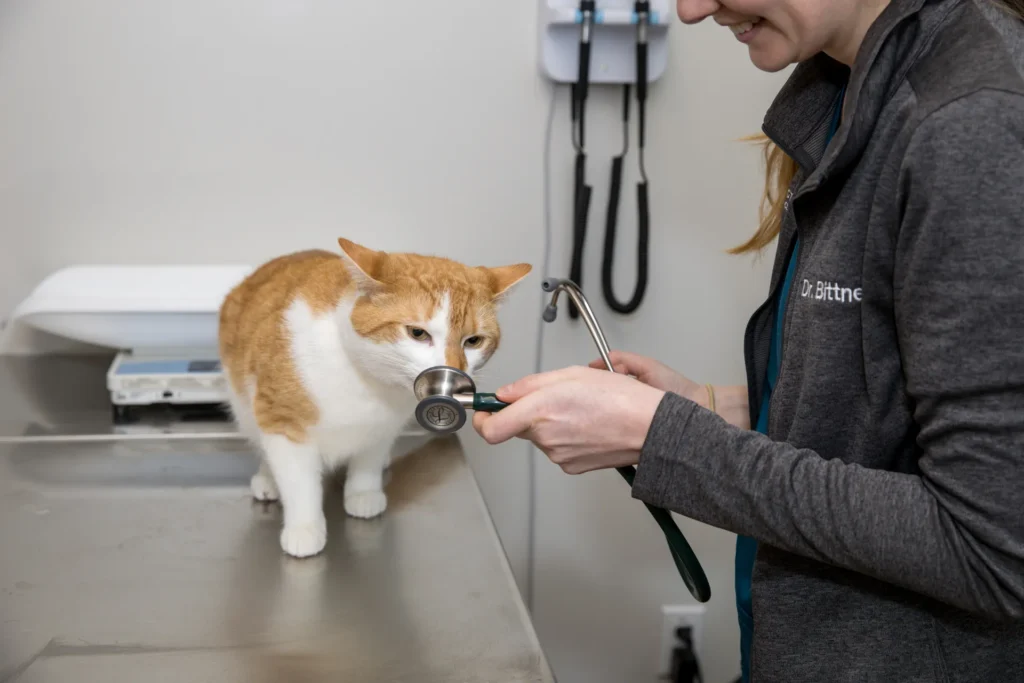
Cat Dental Disease: Tooth Resorption, Stomatitis, and Hidden Mouth Pain
Cats are masters at hiding pain, and nowhere is that more true than in their mouths. A cat with a painful tooth will often keep eating, keep purring, and keep acting mostly normal. That is why dental disease in cats frequently goes unnoticed until it is quite advanced. Cats also develop some dental conditions that are rare in dogs. At Arlington Animal Clinic, we regularly diagnose these problems in cats…
Read More
Carrier Training and Calm Car Rides: Preparing Your Pet for Vet Visits
For many pets, the stress of a vet visit starts long before they arrive. The carrier comes out of the closet, the cat disappears under the bed, and the dog starts trembling as soon as the car turns toward Broadway. By the time they reach the exam room, their heart is racing. The good news is that the carrier and the car ride are the parts of a vet visit…
Read More
Halloween Candy and Pets: What to Do If Your Dog Gets Into the Stash
Halloween is a favorite night in Arlington's neighborhoods, from the busy streets around Arlington Center to the side streets of the Heights and East Arlington. For dogs, though, the real excitement often starts after the trick-or-treating ends, when a bag of candy is left within reach. Every fall, veterinary clinics see a rise in pets who have gotten into Halloween treats. This guide from Arlington Animal Clinic explains which candies…
Read More
Is Your Pet Overweight? How to Check Body Condition at Home
More than half of dogs and cats in the United States are overweight, yet most owners believe their own pet is at a healthy weight. It is an easy mistake to make. Weight gain happens slowly, and when we see our pets every day, a few extra pounds can go unnoticed. You do not need a scale to get a good sense of your pet's condition. Veterinarians use a simple…
Read More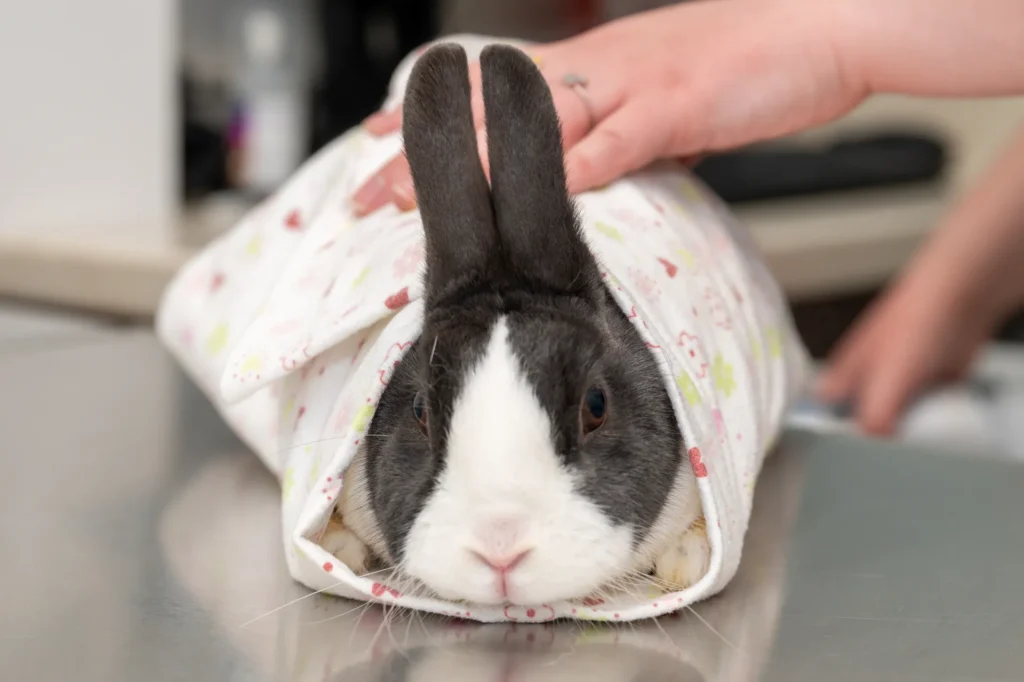
Rabbit Teeth Problems: Molar Spurs, Overgrown Incisors, and What to Do
Rabbit teeth are remarkable. Unlike ours, they never stop growing, and they can grow several millimeters each week. In a healthy rabbit, constant chewing wears them down at the same rate. When something upsets that balance, dental problems can develop quickly and quietly. Dental disease is one of the most common reasons rabbits visit Arlington Animal Clinic. This guide explains the teeth problems we see most often, the early warning…
Read More
Vomiting or Diarrhea in Pets: When to Wait and When to Call the Vet
Almost every pet owner has cleaned up after a bout of vomiting or diarrhea. Most of the time, it passes quickly. Sometimes, though, it is the first sign of something more serious. Knowing the difference can save your pet discomfort and save you an unnecessary late-night worry. At Arlington Animal Clinic, stomach upset is one of the most common reasons dogs and cats from Arlington, Somerville, Medford, Cambridge, and Belmont…
Read More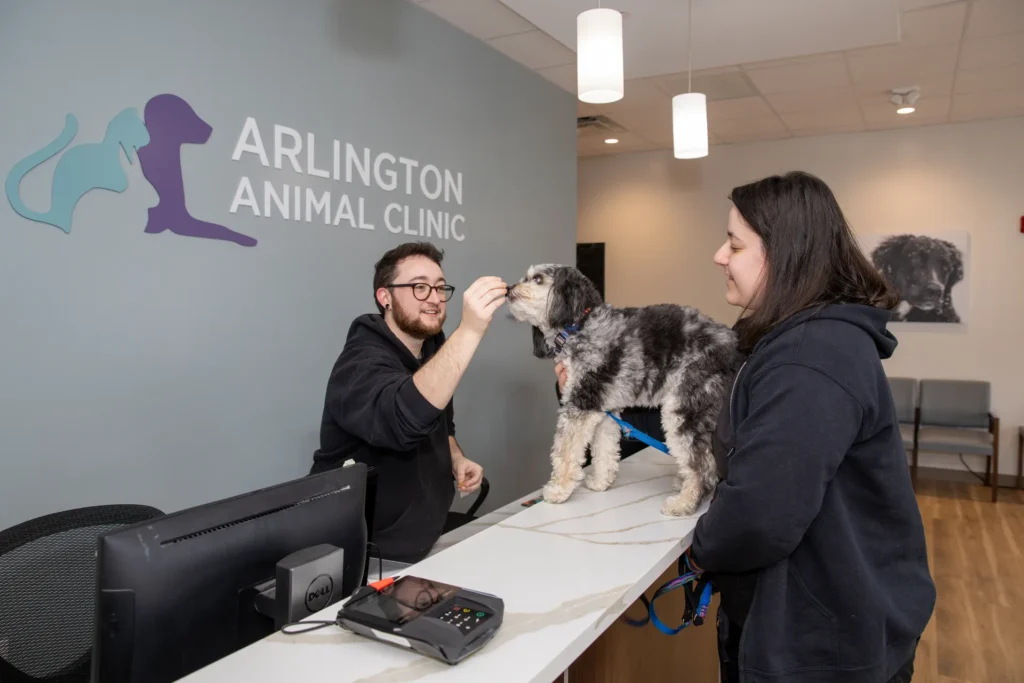
Is It a Pet Emergency? When to Go Now, Call Today, or Book an Appointment
Your dog threw up twice this morning. Your cat has been hiding since yesterday. Your puppy is limping after the park. Is it an emergency, or can it wait until tomorrow? Every pet owner faces this question eventually, and the uncertainty can be stressful. This guide from Arlington Animal Clinic sorts common symptoms into three simple groups: go now, call today, and book an appointment. It is not a substitute…
Read More
Pet Tooth Extraction Recovery: Aftercare Tips for Dogs and Cats
Hearing that your dog or cat needs a tooth pulled can be worrying. The good news is that most pets recover from extractions quickly, and many owners are surprised by how much happier and more playful their pet is once a painful tooth is gone. This guide from Arlington Animal Clinic focuses on what happens after the procedure: what recovery looks like, how to care for your pet at home,…
Read More
Indoor Cat Enrichment: Keeping Apartment and Condo Cats Healthy and Happy
Many cats in Arlington, Somerville, Cambridge, and Medford live in apartments, condos, and two-family homes. Indoor living keeps cats safe from traffic, predators, and many infectious diseases, and indoor cats often live longer as a result. But a smaller space also means fewer natural outlets for climbing, hunting, and exploring. Without enough stimulation, indoor cats can become bored, stressed, or overweight. The good news is that you do not need…
Read More