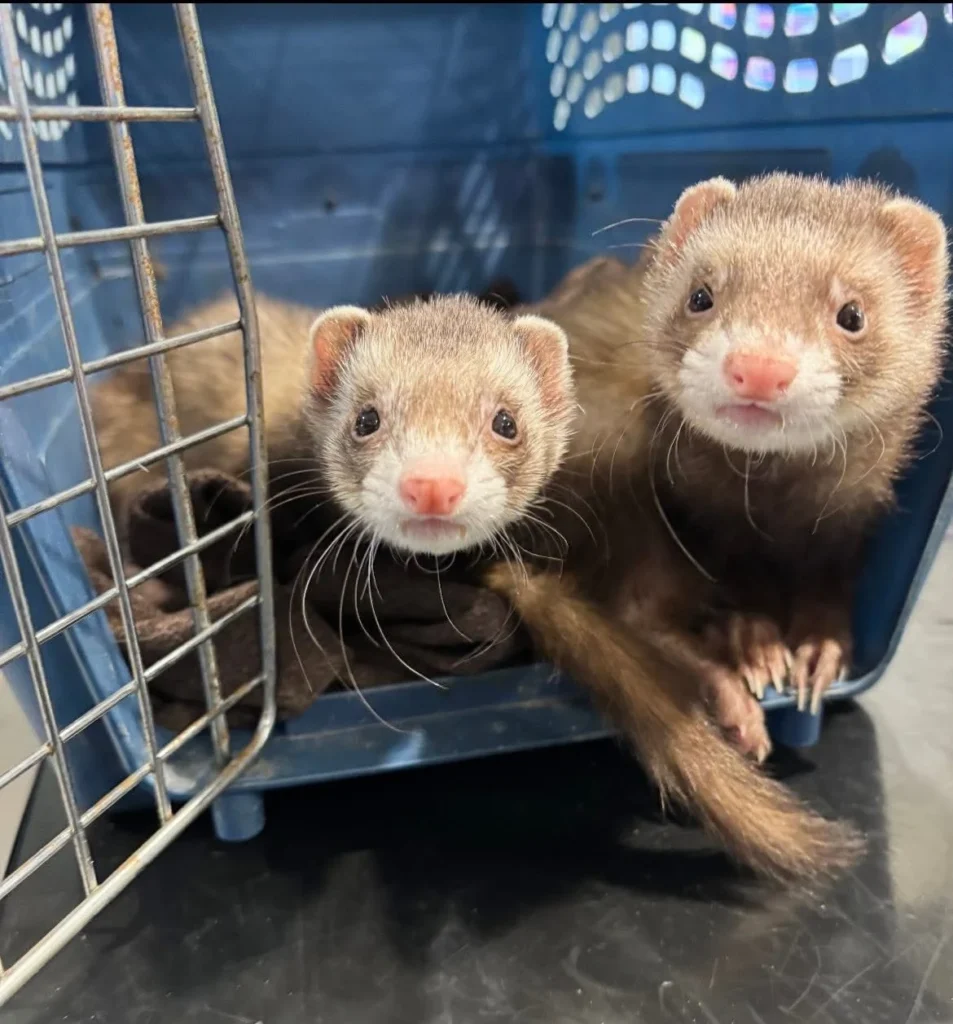
Ferrets are playful, curious, and full of personality. They are also prone to a few serious health conditions as they age. Two of the most common in pet ferrets are adrenal disease and insulinoma, and both often begin after about three years of age.
The encouraging news is that both conditions can be managed, especially when they are caught early. This guide from Arlington Animal Clinic explains what ferret owners in Arlington, Somerville, Medford, Cambridge, and Belmont should watch for and why regular checkups matter so much for older ferrets.
Adrenal Disease in Ferrets
The adrenal glands are two small glands near the kidneys that produce hormones. In ferrets with adrenal disease, one or both glands become enlarged and overproduce sex hormones. It is one of the most frequently diagnosed conditions in middle-aged and older ferrets in the United States.
Signs of Adrenal Disease
- Hair loss that often starts at the tail and spreads up the back and sides
- Thin, brittle coat or patchy fur
- Itchy skin
- A swollen vulva in spayed females
- Difficulty urinating in males, caused by an enlarged prostate
- Increased aggression or mating behavior
- Muscle loss, especially in the back legs
Important: A male ferret straining to urinate or producing little or no urine needs emergency care. A urinary blockage can become life-threatening within hours.
Treating Adrenal Disease
Treatment options include hormone-regulating implants or injections that help control symptoms, and in some cases, surgery to remove the affected gland. Your veterinarian will recommend the best approach based on your ferret’s age, overall health, and symptoms. Many ferrets regrow their coat and return to their usual energy with treatment.
Insulinoma in Ferrets
Insulinoma is a tumor of the pancreas that produces too much insulin. Excess insulin causes blood sugar to drop too low, a condition called hypoglycemia. Insulinoma is one of the most common cancers in pet ferrets.
Signs of Insulinoma
Symptoms often come and go, and they may be more noticeable after exercise or a long time between meals.
- Lethargy or sleeping more than usual
- Staring into space or seeming “zoned out”
- Drooling or pawing at the mouth
- Weakness in the back legs
- Wobbly walking
- Collapse or seizures in severe cases
What to Do During a Low Blood Sugar Episode
If your ferret is weak, glassy-eyed, or collapsed, rub a small amount of honey or corn syrup on their gums and bring them to a veterinarian right away. Do not put your fingers in the mouth of a ferret that is actively seizing. This first aid is only a bridge to veterinary care, not a treatment.
Managing Insulinoma
Management may include medications that help keep blood sugar stable, frequent high-protein meals, avoiding sugary treats, and in some cases, surgery. Regular blood glucose checks help us adjust treatment over time.
Why Senior Ferret Checkups Matter
Ferrets typically live about five to eight years, which means they are considered middle-aged by three. Because conditions like adrenal disease, insulinoma, and lymphoma become more common with age, we recommend yearly exams for younger ferrets and twice-yearly visits for ferrets over three.
During a senior ferret exam, we may:
- Check weight, coat, and muscle condition
- Feel the abdomen and lymph nodes
- Examine the teeth, since ferrets are prone to tartar
- Recommend a fasting blood glucose test
- Suggest bloodwork or imaging when needed
Everyday Care That Supports Ferret Health
- Feed a high-quality, meat-based ferret diet
- Avoid sugary treats, fruit, and raisins
- Keep up with vaccines, including rabies, which is required for ferrets in Massachusetts, and canine distemper
- Ferret-proof your home to prevent swallowed objects
- Watch for subtle changes in energy, coat, and appetite
Common Questions About Ferret Health
At what age do ferrets develop adrenal disease?
It most often appears in ferrets three years and older, though it can occur earlier.
Can a ferret have both adrenal disease and insulinoma?
Yes. It is not unusual for older ferrets to have both conditions at the same time.
Is hair loss in ferrets always adrenal disease?
Not always. Seasonal shedding, parasites, and skin infections can also cause hair loss, so an exam is important.
How can I tell if my ferret is just tired or hypoglycemic?
A ferret that is hard to wake, wobbly, drooling, or staring blankly may have low blood sugar. When in doubt, call us.
When to Schedule a Visit with a Veterinarian
If your ferret is three or older, losing hair, or showing any signs of weakness, please schedule a visit. Arlington Animal Clinic provides ferret and small mammal veterinary care at 191 Broadway in Arlington, MA. Call 781-646-0758 to book an exam, or call right away if your ferret is weak or collapsed.