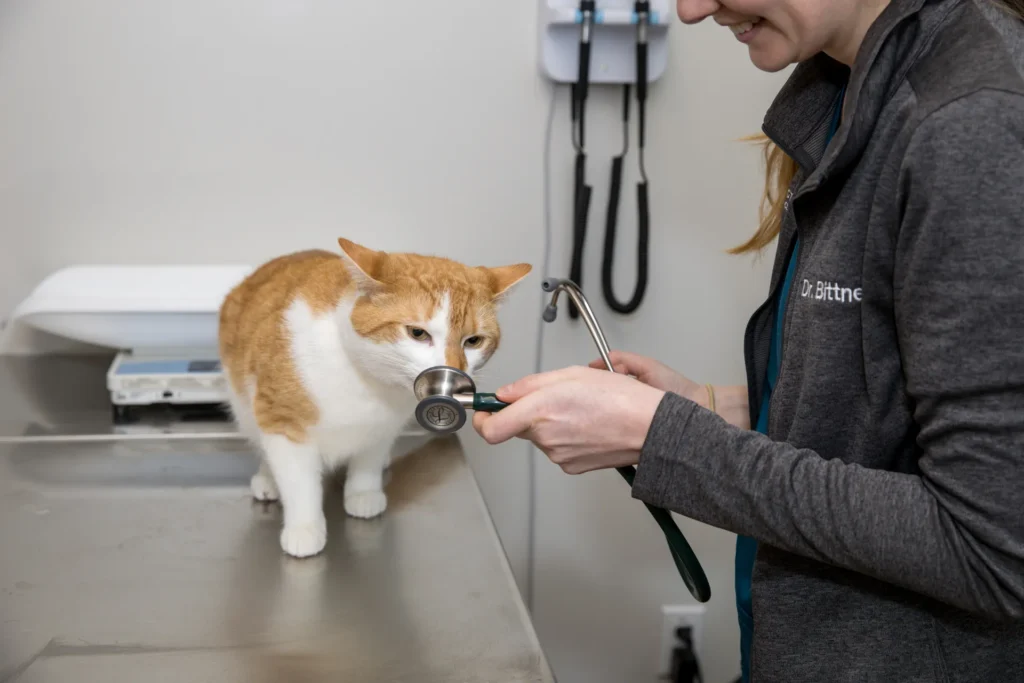
Hearing that your dog or cat needs a tooth pulled can be worrying. The good news is that most pets recover from extractions quickly, and many owners are surprised by how much happier and more playful their pet is once a painful tooth is gone.
This guide from Arlington Animal Clinic focuses on what happens after the procedure: what recovery looks like, how to care for your pet at home, and which signs mean you should call us. It is written for pet owners in Arlington, Somerville, Medford, Belmont, and surrounding communities preparing for their pet’s veterinary dental care.
Why Pets Need Tooth Extractions
Extractions are recommended when a tooth is causing pain or infection that cannot be fixed another way. Common reasons include:
- Advanced periodontal disease with bone loss around the root
- Fractured teeth with exposed pulp
- Tooth resorption in cats
- Retained baby teeth in puppies and kittens
- Tooth root abscesses
Dental X-rays help us see which teeth are diseased below the gumline so only the teeth that truly need to come out are removed.
The First 24 Hours After an Extraction
Most pets go home the same day. Because extractions are done under general anesthesia, your pet may be sleepy, a little wobbly, or quieter than usual that evening. This is normal.
- Offer a quiet, comfortable place to rest away from stairs and other pets
- Offer a small amount of water once home
- Offer a small, soft meal in the evening if your veterinarian says it is okay
- Expect a little blood-tinged saliva for the first day
- Give pain medication exactly as prescribed
Feeding Your Pet During Recovery
Soft food helps protect the healing gum tissue. For most pets, we recommend soft food for about 10 to 14 days, or until your recheck visit.
- Canned food, or kibble soaked in warm water until mushy
- Small, frequent meals rather than one large meal
- No hard treats, bones, antlers, or dental chews until cleared
- Remove hard chew toys and tug toys temporarily
Many pets eat normally within a day or two. If your pet has not eaten anything within 24 hours of coming home, please call us.
Managing Pain and Medications
Your pet will go home with medications tailored to their procedure. This may include pain relief and, in some cases, antibiotics. Our veterinary pharmacy can prepare them before you leave.
- Give every dose on schedule, even if your pet seems comfortable
- Never give human pain relievers, which can be toxic to pets
- Hide pills in a small amount of soft food or a pill pocket
- Ask us for liquid options if pilling is difficult
Protecting the Extraction Site
Extraction sites are usually closed with dissolvable stitches that break down on their own over a few weeks. To help them heal:
- Pause toothbrushing near the surgical area until your recheck
- Discourage pawing at the mouth
- Avoid rough play for several days
- Keep water bowls clean and fresh
When to Call Us During Recovery
Please contact Arlington Animal Clinic if you notice:
- Bleeding from the mouth after the first 24 hours
- Refusal to eat for more than a day
- Swelling of the face or jaw
- A foul smell that gets worse rather than better
- Vomiting, lethargy, or unusual behavior
- Stitches that appear to have opened early
Life After Extractions
Many owners worry their pet will not be able to eat without certain teeth. In reality, dogs and cats adapt remarkably well, even after multiple extractions. Pets who have lived with chronic mouth pain often become more active, more affectionate, and more interested in food once they have healed.
After recovery, restarting a home care routine and scheduling regular dental exams will help protect the teeth that remain.
Common Questions About Pet Tooth Extraction Recovery
How long does it take a dog or cat to recover from a tooth extraction?
Most pets feel like themselves within a few days, and the gums typically heal in about two weeks.
Can my pet eat dry food after an extraction?
We usually recommend soft food for about two weeks. Your veterinarian will let you know when it is safe to return to dry food.
Will my pet need a follow-up visit?
Often, yes. A recheck lets us confirm the gums are healing well and answer any questions.
Is it normal for my pet to sleep a lot after surgery?
Extra sleep on the first evening is normal. If your pet is still very drowsy or weak the next day, call us.
When to Schedule a Visit with a Veterinarian
If your pet has been diagnosed with a diseased or broken tooth, or you have questions about an upcoming procedure, our team is happy to talk it through. Arlington Animal Clinic is located at 191 Broadway in Arlington, MA. Call 781-646-0758 to schedule a dental consultation or a post-extraction recheck.