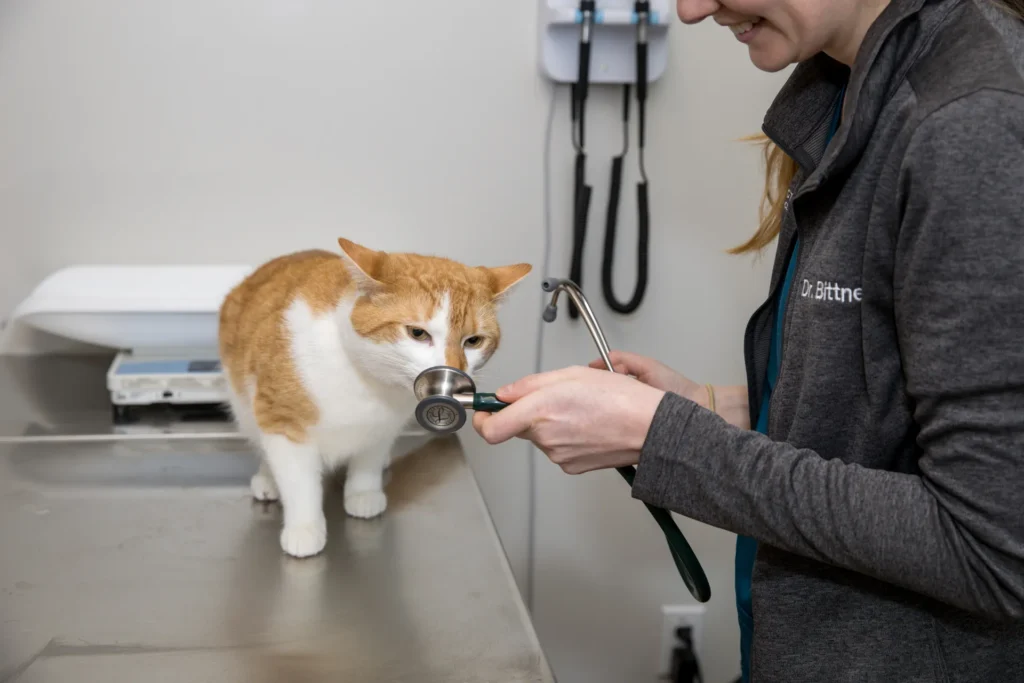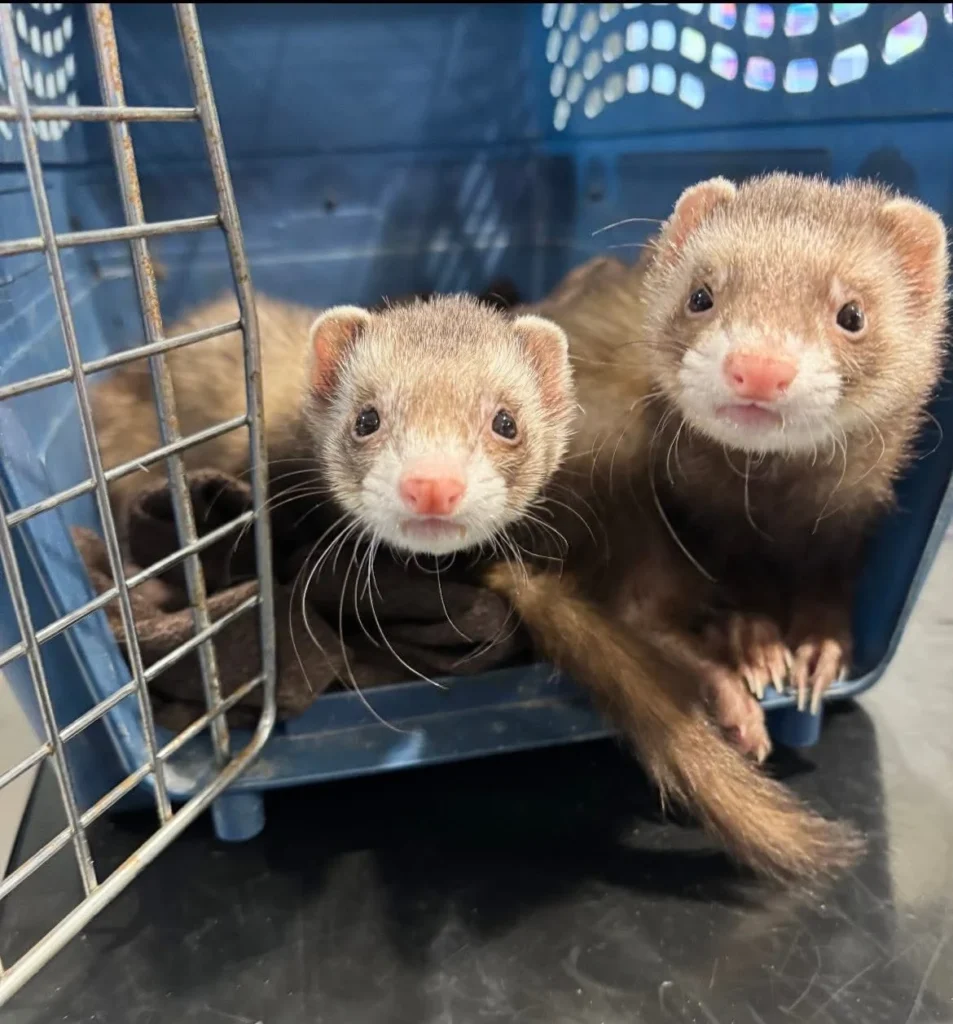
Many people think only dogs and cats need regular vet visits. But exotic pets like rabbits, guinea pigs, and birds also need routine care to stay healthy.
For pet owners in Arlington, MA and nearby areas like Belmont, Lexington, and Cambridge, understanding how to care for exotic pets is important. These animals often hide signs of illness, which means problems can become serious before they are noticed.
At Arlington Animal Clinic, we provide care for a wide range of pets, including small mammals and birds.
Why Exotic Pets Still Need Regular Vet Visits
Exotic pets are prey animals. In the wild, they hide illness to avoid predators. This instinct carries over to pets, which makes it harder to tell when something is wrong.
Routine checkups help detect early signs of illness before they become serious.
During a visit, your veterinarian may check:
- Weight and body condition
- Teeth and oral health
- Skin and coat condition
- Behavior and activity levels
- Diet and nutrition
These exams help catch problems early.
Common Health Needs For Rabbits
Rabbits require specialized care, especially when it comes to their teeth and digestion.
Important areas to monitor include:
- Teeth that grow continuously
- Proper chewing and eating habits
- Digestive function
- Weight changes
Dental problems are one of the most common issues in rabbits and can become serious if untreated.
Common Health Needs For Guinea Pigs
Guinea pigs also need routine care and are prone to certain health issues.
Veterinary exams often focus on:
- Dental health
- Skin and coat condition
- Respiratory health
- Weight and diet
Guinea pigs also need enough vitamin C in their diet, which is important for preventing illness.
Common Health Needs For Birds
Birds have unique anatomy and need specialized care.
During a checkup, your veterinarian may evaluate:
- Feather condition
- Beak and nail health
- Breathing and respiratory system
- Weight and muscle condition
- Behavior
Birds can develop health issues quickly, so early detection is important.
Signs Your Exotic Pet May Be Sick
Because these pets hide illness, even small changes can be a warning sign.
Watch for:
- Reduced appetite
- Weight loss
- Low energy
- Changes in droppings
- Difficulty breathing
- Drooling or trouble eating
- Changes in behavior
If you notice any of these, it is important to schedule a visit.
How To Keep Exotic Pets Healthy At Home
Daily care plays a big role in preventing health problems.
Helpful tips include:
- Provide proper diet for each species
- Keep enclosures clean
- Offer space to move and exercise
- Provide enrichment and stimulation
- Monitor behavior and eating habits
A healthy environment supports long term wellness.
Do Exotic Pets Need Vaccines
In most cases, exotic pets in the United States do not need routine vaccines.
However, regular checkups are still important to monitor health and prevent problems.
Why Choosing The Right Vet Matters
Not all veterinary clinics treat exotic pets. These animals have unique needs that require experience and proper training.
At Arlington Animal Clinic, we provide care for rabbits, guinea pigs, birds, and other small animals with a focus on prevention and early treatment.
FAQ About Exotic Pet Care
Do Rabbits Guinea Pigs And Birds Need Annual Exams
Yes, most exotic pets benefit from yearly checkups to monitor health.
How Do I Know If My Exotic Pet Is Sick
Signs include reduced appetite, weight loss, low energy, or behavior changes.
What Do Exotic Pets Eat
Diet depends on the species, but most require a balanced mix of hay, vegetables, pellets, or specialized diets.
How Long Do These Pets Live
Rabbits can live 8 to 12 years, while guinea pigs often live 5 to 7 years. Lifespan depends on care.
When To Take Your Exotic Pet To The Vet
If your pet shows changes in eating, behavior, or energy level, it is important to schedule a visit right away.
Exotic pets can decline quickly when they are sick. Early care can make a big difference. The team at Arlington Animal Clinic can help keep your pet healthy with routine exams and treatment when needed.