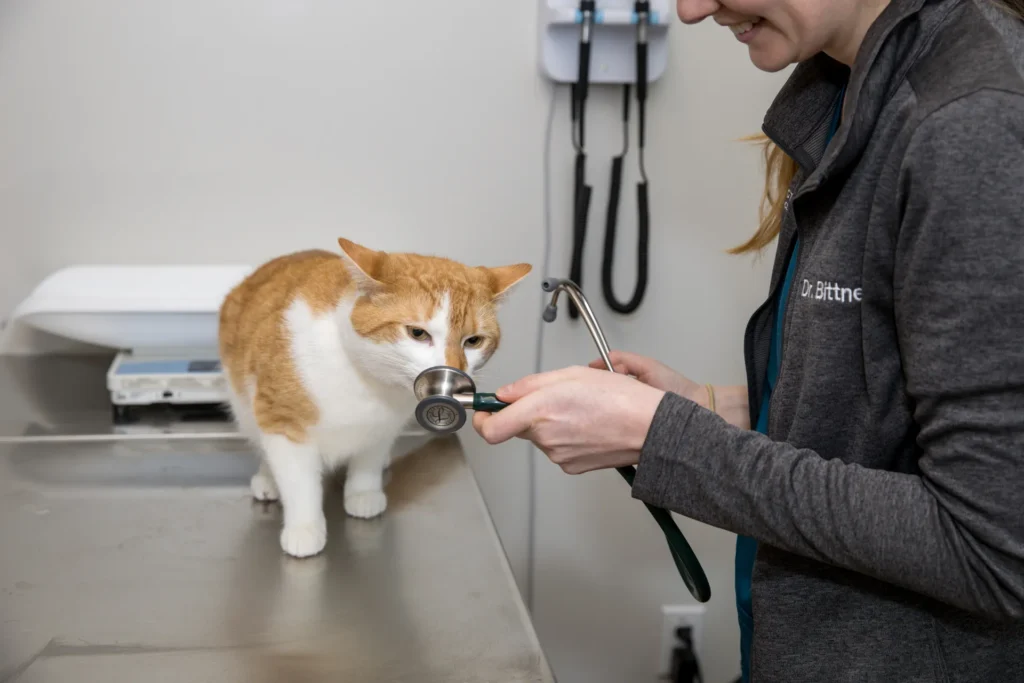
Pets are part of the family—but unlike us, they can’t tell us when something hurts. In fact, many animals instinctively hide pain, which can make it difficult for even attentive owners to recognize when something is wrong.
For pet owners in Arlington, MA and nearby communities, understanding the subtle signs of discomfort can help you act quickly and get your pet the care they need. As a trusted veterinarian, Arlington Animal Clinic is here to help you recognize pain early and protect your pet’s health.
Why It’s Important to Recognize Pain Early
Pain isn’t just uncomfortable—it can affect your pet’s behavior, appetite, mobility, and overall quality of life. Left untreated, it can also lead to more serious medical issues. Early detection allows your veterinarian to diagnose underlying conditions sooner, provide effective treatment and relief, and prevent complications. Routine care, like a pet wellness exam, is one of the best ways to catch subtle changes before they become major problems.
10 Warning Signs Your Pet May Be in Pain
1. Changes in Appetite
A sudden decrease—or even increase—in appetite can signal pain. Refusing food may indicate dental issues, illness, or injury. Difficulty chewing may point to the need for veterinary dental care.
2. Lethargy or Low Energy
If your normally active pet becomes unusually tired or uninterested in play, pain may be the cause. Watch for sleeping more than usual, avoiding activities they once enjoyed, and slower movements.
3. Limping or Difficulty Moving
Pain in joints, muscles, or bones often shows up as mobility changes: limping, stiffness especially after rest, and trouble jumping, climbing stairs, or getting up. These symptoms are common in arthritis but can also indicate injury.
4. Vocalization
Some pets become more vocal when they’re in pain—whining, whimpering, or yelping in dogs; growling or hissing in cats; unusual sounds in small animals. However, not all pets vocalize, so don’t rely on this sign alone.
5. Behavioral Changes
Pain can cause noticeable shifts in personality. Your pet may become withdrawn or hide, show irritability or aggression, or avoid being touched. Even the friendliest pets may react defensively if something hurts.
6. Excessive Grooming or Licking
Pets often focus on areas that are painful—constant licking or chewing at a specific spot, and hair loss or skin irritation in one area may indicate injury, infection, or underlying discomfort.
7. Changes in Posture
Signs of pain may include a hunched back, tucked tail, or reluctance to lie down or get comfortable. These subtle cues are easy to miss but important to notice.
8. Panting or Rapid Breathing
In dogs especially, panting isn’t always due to heat. Unexplained panting or rapid breathing—especially at rest—can be a sign of pain or stress.
9. Bathroom Changes
Pain can affect your pet’s ability to urinate or defecate normally. Watch for accidents in the house, straining or difficulty going, and changes in stool or urine. These symptoms may require prompt evaluation.
10. Facial Expressions and Eye Changes
Look for squinting or partially closed eyes, flattened ears, and a tense or “worried” expression. These small changes can be some of the earliest indicators of pain.
Special Note: Dental Pain Is Often Overlooked
Dental disease is one of the most common—and frequently missed—sources of pain in pets. Signs of dental discomfort include bad breath, drooling, difficulty eating, and pawing at the mouth. Regular pet dental cleaning and professional veterinary dental care are essential to prevent painful oral conditions.
Pain in Exotic Pets
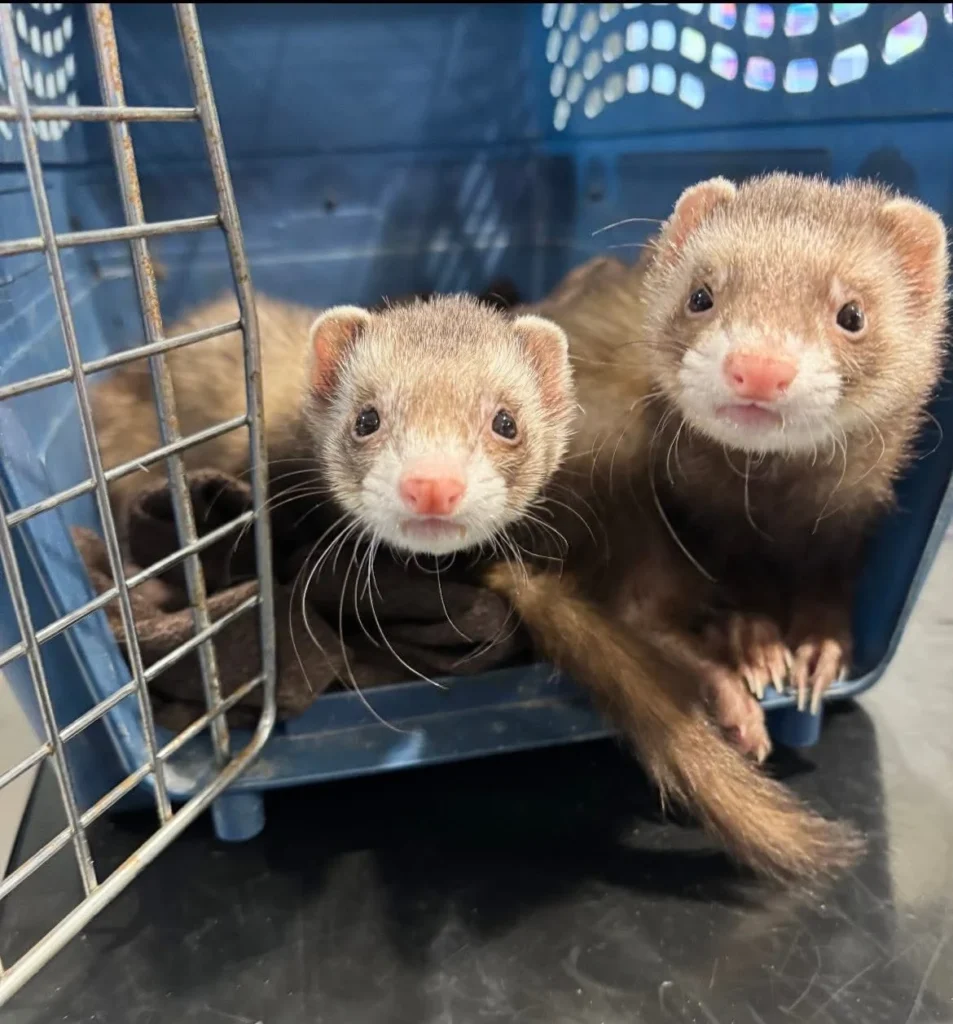
Small animals like rabbits, guinea pigs, and birds often hide pain even more than dogs and cats. Signs may include reduced appetite, quiet or withdrawn behavior, and changes in droppings. If you have a small pet, working with an experienced exotic pet veterinarian is especially important.
When to Schedule a Visit with a Veterinarian
If you notice any signs of pain—even subtle ones—it’s always better to be cautious. You should schedule an appointment if your pet shows any of the warning signs listed above, behavior or appetite changes persist for more than 24 hours, your pet is due for a pet wellness exam, or you have concerns about dental health or mobility.
Contact Arlington Animal Clinic to schedule an evaluation. Early care can relieve pain, improve quality of life, and prevent more serious health issues.