Almost every pet owner has cleaned up after a bout of vomiting or diarrhea. Most of the time, it passes quickly. Sometimes, though, it is the first sign of something more serious. Knowing the difference can save your pet discomfort and save you an unnecessary late-night worry.
At Arlington Animal Clinic, stomach upset is one of the most common reasons dogs and cats from Arlington, Somerville, Medford, Cambridge, and Belmont come to see us. Here is how to tell when it is safe to monitor at home and when it is time to call.
Common Causes of Vomiting and Diarrhea in Pets
- Dietary indiscretion, such as eating garbage, table scraps, or something found on a walk
- Sudden food changes
- Hairballs in cats
- Intestinal parasites like giardia, roundworms, or hookworms
- Stress from boarding, travel, or changes at home
- Infections, both viral and bacterial
- Pancreatitis, often after a fatty meal
- Inflammatory bowel disease and food sensitivities
- Swallowed objects like socks, toys, or corn cobs
- Toxins and certain human foods
- Underlying illness, such as kidney, liver, or endocrine disease
When It Is Usually Safe to Monitor at Home
An adult dog or cat may be fine to watch closely at home if they:
- Vomited or had diarrhea only once or twice
- Are still bright, alert, and interested in their surroundings
- Are drinking water and keeping it down
- Have no blood in the vomit or stool
- Have no known exposure to toxins or swallowed objects
Keep an eye on energy level, appetite, and how often symptoms recur. If things are not clearly improving within 24 hours, call us.
When to Call the Vet Right Away
Contact us promptly, or an emergency hospital after hours, if you notice:
- Repeated vomiting, especially if your pet cannot keep water down
- Blood in vomit, or black, tarry, or very bloody stool
- Unproductive retching with a swollen belly
- Lethargy, weakness, or collapse
- Signs of abdominal pain, such as a hunched posture or reluctance to lie down
- Known or suspected ingestion of a toy, sock, bone, or toxin
- Vomiting or diarrhea in a puppy, kitten, senior pet, or pet with a chronic illness
- A cat that has stopped eating for more than a day
Young, old, and small pets can become dehydrated very quickly, so it is better to call early.
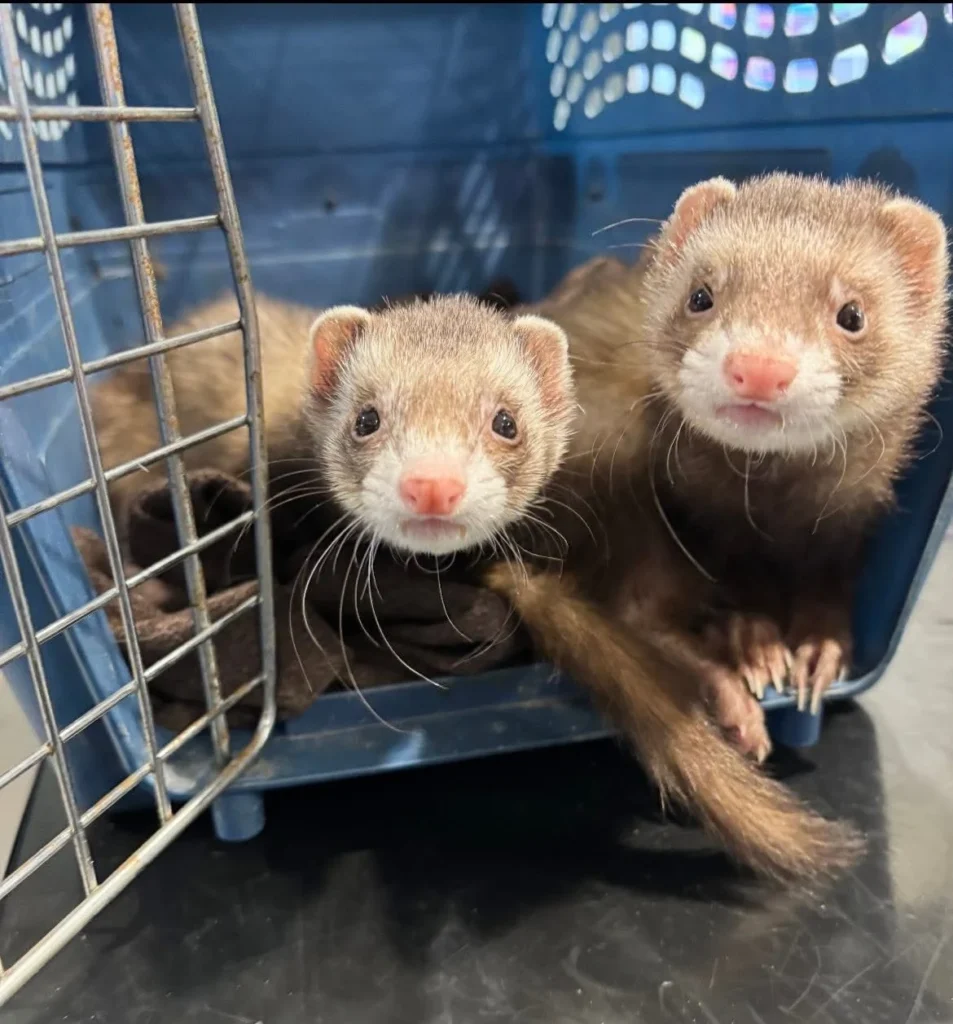
What About Exotic Pets?
For rabbits and guinea pigs, the bigger danger is often the opposite: slowing or stopping of the gut, known as GI stasis. A rabbit that stops eating or producing droppings should be seen the same day. Learn more about our rabbit care and small mammal care.
How We Find the Cause
Every visit starts with a thorough history and physical exam. Depending on what we find, we may recommend diagnostic testing such as:
- A fecal test to check for parasites
- Bloodwork to assess hydration and organ function
- X-rays or ultrasound to look for blockages or other problems
- Specific tests for pancreatitis or other conditions
Treatment may include fluids, anti-nausea medication, a temporary bland diet, probiotics, deworming, or, for chronic problems, a longer-term diet and management plan.
Helping Prevent Stomach Upset
- Change foods gradually over 7 to 10 days
- Keep trash cans and compost bins secured
- Avoid sharing fatty or rich table scraps
- Pick up toys and small objects your pet could swallow
- Stay current on parasite prevention and fecal testing
- Use a basket muzzle or “leave it” training for dogs that scavenge on walks
Common Questions About Vomiting and Diarrhea in Pets
Should I stop feeding my pet after they vomit?
Call us for advice before withholding food, especially for puppies, kittens, small breeds, and cats. Fasting is not safe for every pet.
Can I give my dog human anti-diarrhea medicine?
Please do not give any human medication without talking to a veterinarian. Some are unsafe for pets or can hide a more serious problem.
Is it normal for cats to vomit hairballs often?
Occasional hairballs can be normal, but frequent vomiting in cats is not. It can signal dietary issues, inflammatory bowel disease, or other illness.
What does it mean if the diarrhea keeps coming back?
Recurring diarrhea often points to parasites, food sensitivity, or chronic intestinal disease and deserves a full workup.
When to Schedule a Visit with a Veterinarian
If your pet’s vomiting or diarrhea is not improving, keeps coming back, or comes with any warning signs above, we are here to help. Arlington Animal Clinic is located at 191 Broadway in Arlington, MA, and is open Monday through Friday from 8:00 AM to 6:00 PM. Call 781-646-0758 to speak with our team.