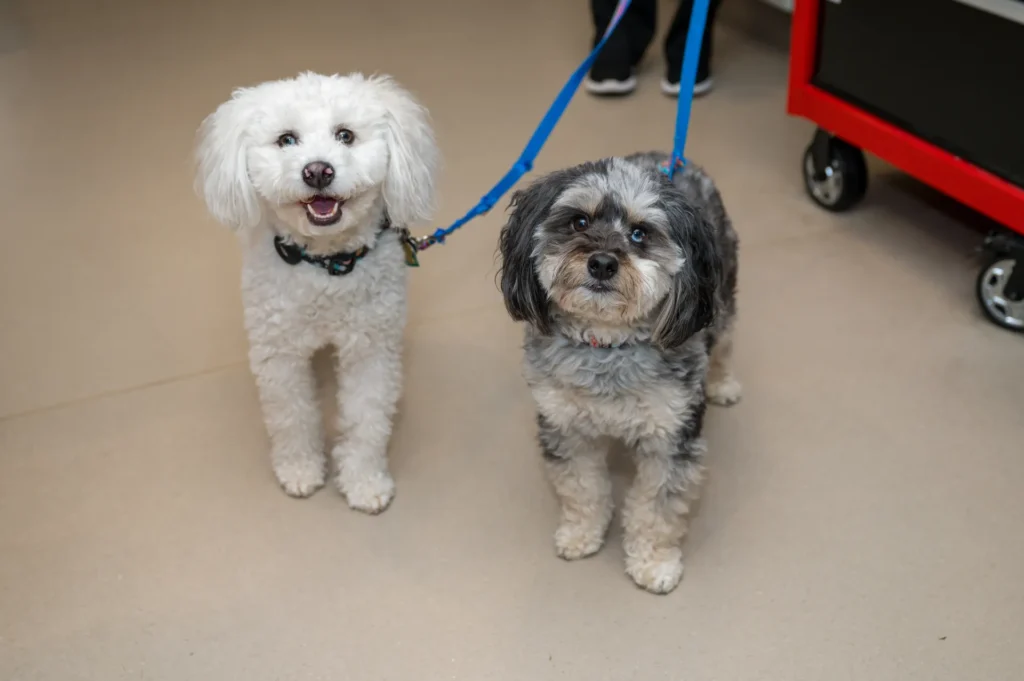
Your senior dog still greets you at the door, and your older cat still claims the sunny spot on the couch. From the outside, everything looks fine. But many of the most common diseases of aging pets develop quietly for months before any signs appear.
That is why veterinarians recommend senior screening tests. At Arlington Animal Clinic, routine bloodwork and other simple tests help us find problems early in older pets from Arlington, Lexington, Belmont, Medford, and Somerville, often when they are easiest to treat.
When Is a Pet Considered a Senior?
- Cats: around 10 years old, although changes can begin earlier
- Small and medium dogs: around 8 to 10 years
- Large and giant breed dogs: as early as 6 to 7 years
Pets age faster than people, so a year between checkups can be like several years for us. For most seniors, we recommend exams and screening every six months.
What a Senior Screening Usually Includes
Complete Blood Count (CBC)
A CBC measures red blood cells, white blood cells, and platelets. It can reveal anemia, infection, inflammation, and some blood-related cancers.
Chemistry Panel
This panel looks at how the organs are working. It checks kidney values, liver enzymes, blood sugar, proteins, and electrolytes. Changes can point to kidney disease, liver problems, or diabetes.
SDMA
SDMA is a kidney marker that can detect declining kidney function earlier than traditional tests. Early detection gives us time to adjust diet and care to slow progression.
Thyroid Testing
Older cats are prone to hyperthyroidism, an overactive thyroid that causes weight loss despite a big appetite. Dogs more often develop hypothyroidism, which can cause weight gain, low energy, and coat changes.
Urinalysis
A urine test shows how well the kidneys concentrate urine and can detect infection, crystals, protein loss, and sugar in the urine.
Blood Pressure
High blood pressure is common in older cats, especially those with kidney or thyroid disease. Left untreated, it can damage the eyes, heart, brain, and kidneys.
Additional Tests When Needed
Depending on exam findings, we may recommend X-rays, ultrasound, or heart testing through our diagnostic services.
Why Baseline Results Matter
One of the most valuable parts of senior screening is building a record of what is normal for your pet. A kidney value that is still within the reference range but has crept up over two visits can be an early warning sign. Regular testing lets us spot these trends long before they become emergencies.
Changes to Report Between Visits
- Drinking or urinating more than usual
- Weight loss or gain
- Changes in appetite
- Stiffness, limping, or trouble with stairs
- Coughing or breathing changes
- New lumps or bumps
- Confusion, nighttime restlessness, or changes in sleep
- Accidents in the house
Many owners assume these are just “old age.” Often they are signs of treatable conditions like arthritis, kidney disease, or thyroid problems.
How Screening Supports Comfort and Treatment
Screening results also help us choose safe medications and plan procedures. For example, we check organ function before starting long-term pain relief, and before anesthesia for dental cleanings. For senior pets with joint pain, we can also discuss options such as laser therapy and acupuncture.
Common Questions About Senior Pet Bloodwork
Does my senior pet need to fast before bloodwork?
Sometimes. We will let you know when you book the appointment. Water is usually fine.
How often should senior pets have bloodwork?
Most healthy seniors benefit from screening once or twice a year. Pets with known conditions may need more frequent monitoring.
My pet seems healthy. Is screening really necessary?
Yes. Screening is designed for healthy-looking pets, because many diseases show no outward signs in their early stages.
What happens if a result is abnormal?
We will explain what it means, whether repeat or further testing is needed, and what treatment options are available.
When to Schedule a Visit with a Veterinarian
If your dog or cat has reached their senior years, a wellness exam with screening bloodwork is one of the best things you can do for them. Arlington Animal Clinic at 191 Broadway in Arlington, MA, has supported pets through every life stage for more than 45 years. Call 781-646-0758 to schedule a senior visit.