Whether you’re heading out for a weekend getaway or a longer vacation, traveling with your pet can be a wonderful experience—but it also comes with unique health and safety considerations.
As a trusted veterinarian, the team at Arlington Animal Clinic often helps pet owners prepare their pets for safe, stress-free travel. With a little planning, you can protect your pet’s health and enjoy your trip with confidence.
Schedule a Pre-Travel Vet Visit
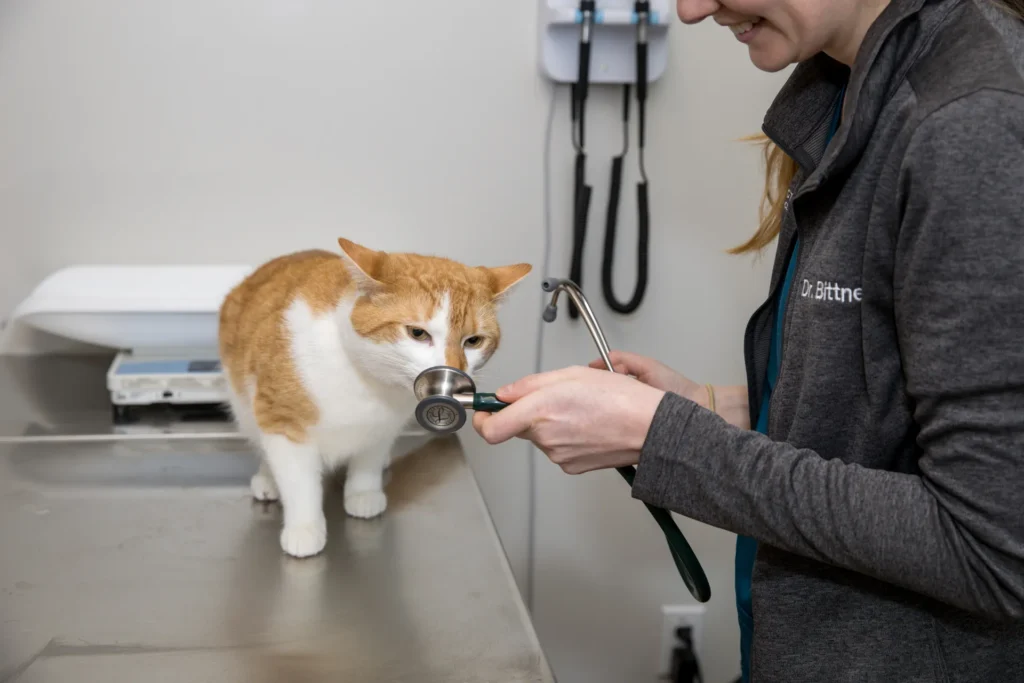
Before traveling, it’s a good idea to schedule a pet wellness exam. During this visit, your veterinarian will confirm your pet is healthy enough to travel, update pet vaccinations if needed, discuss parasite prevention (especially for ticks and heartworm), and provide travel documentation or health certificates if required.
Packing a Pet Travel Kit
Just like you pack for yourself, your pet needs their own essentials: food and treats (bring extra), fresh water and portable bowls, medications and supplements, leash/harness/collar with ID tags, waste bags, and a favorite toy or blanket. Also bring vaccination records, microchip information, and contact information for your veterinarian.
Safe Travel by Car
Car travel is the most common way pets travel. Use a crate or pet seatbelt to secure your pet, never let pets roam freely in the car, take breaks every 2–3 hours for water and bathroom needs, and never leave your pet alone in a parked car. Watch for signs of motion sickness such as drooling, vomiting, or restlessness. If your pet struggles with car rides, your veterinarian may recommend medications or calming strategies.
Air Travel Considerations
Flying with pets requires extra planning. Check airline pet policies, confirm crate size requirements, and ask about temperature restrictions. Some pets (especially short-nosed breeds) may not be good candidates for air travel. Sedation is usually not recommended for flights. Consult your veterinarian to determine the safest option for your pet.
Preventing Travel Stress and Anxiety
Take short practice trips before longer travel, bring familiar items from home, maintain your pet’s normal feeding schedule, and use calming pheromone sprays or supplements if recommended. Some pets may benefit from prescription anti-anxiety medications—your veterinarian can help determine what’s best.
Protecting Your Pet From Illness While Traveling
Different regions expose pets to different risks: tick-borne diseases (like Lyme disease), heartworm exposure in warmer climates, and new parasites in unfamiliar environments. That’s why keeping up with pet vaccinations and preventive care is essential. If your pet hasn’t had recent veterinary dental care, travel is also a good reminder to stay current—dental infections can worsen with stress.
Traveling With Exotic Pets
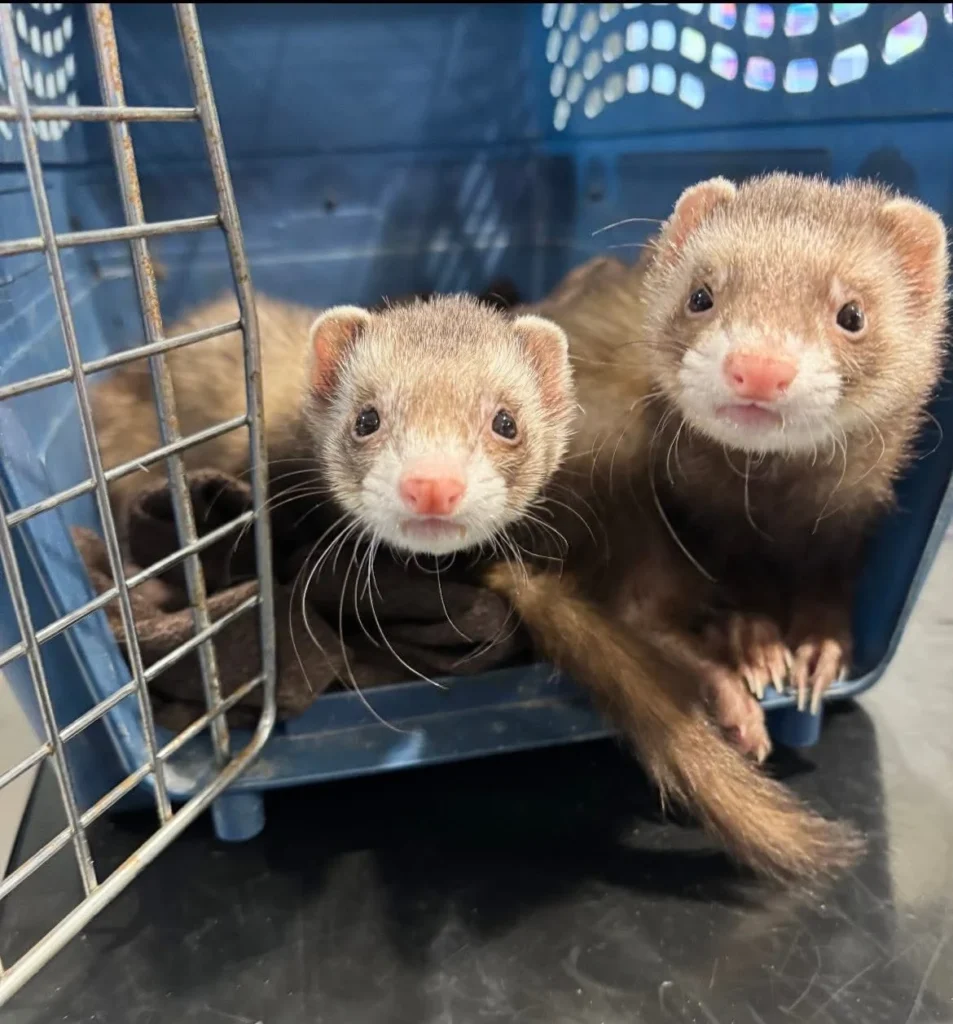
If you’re traveling with a rabbit, bird, or reptile, extra care is needed. An exotic pet veterinarian can help you prepare by advising on proper temperature and humidity control, recommending safe carriers, and ensuring dietary needs are met during travel.
Common Questions About Traveling With Pets
Do I need a health certificate to travel with my pet? It depends on your destination. Many airlines and states require one. Arlington Animal Clinic can provide pet health certificates.
How can I calm my pet during travel? Practice trips, familiar items, and veterinarian-approved calming aids can help.
Should I feed my pet before traveling? A light meal a few hours before travel is usually best to reduce nausea.
When to Schedule a Visit with a Veterinarian
If you’re planning a trip with your pet, it’s a great time to check in with your veterinarian. A pre-travel visit helps ensure your pet is healthy, protected, and ready for the journey ahead.
Contact Arlington Animal Clinic to schedule an appointment. We’re here to help keep your pet safe wherever your travels take you.