Bringing home a new kitten is exciting. Along with setting up food, litter, and toys, one of the most important steps is making sure your kitten gets the right vaccines during their first year.
Kittens are more vulnerable to disease while their immune system is still developing. Vaccines help protect them from serious infections and support long term health.
For pet owners in Arlington, MA and nearby areas like Belmont, Lexington, and Cambridge, understanding the kitten vaccine schedule can help ensure your cat stays healthy as they grow.
At Arlington Animal Clinic, we help guide pet owners through their kitten’s first year with preventive care and routine exams.
Why Vaccines Are Important For Kittens
Kittens are born with temporary protection from their mother, but this fades within a few weeks.
Vaccines help the immune system learn how to fight dangerous diseases before they cause illness.
Common diseases prevented by kitten vaccines include:
- Feline panleukopenia
- Feline viral rhinotracheitis
- Calicivirus
- Rabies
- Feline leukemia
These infections can spread easily and may be life threatening without protection.
When Kittens Should Start Vaccines
Most kittens begin their vaccine schedule between 6 and 8 weeks of age.
Because early immunity fades over time, vaccines are given in a series.
A typical schedule includes:
- 6 to 8 weeks first FVRCP vaccine
- 10 to 12 weeks booster
- 14 to 16 weeks final booster
- 12 to 16 weeks rabies vaccine
Some kittens may also receive the feline leukemia vaccine depending on their lifestyle.
Core Vaccines For Kittens
Core vaccines are recommended for most kittens because they protect against serious diseases.
These include:
- FVRCP which protects against respiratory infections and panleukopenia
- Rabies vaccine
These vaccines are essential for keeping your kitten protected.
Lifestyle Vaccines Your Kitten May Need
Some vaccines depend on your kitten’s environment.
The most common is:
- Feline leukemia vaccine
This is often recommended for kittens who:
- Spend time outdoors
- Live with other cats
- May be exposed to unknown animals
Your veterinarian will help decide what is best.
What Happens During A Kitten Vet Visit
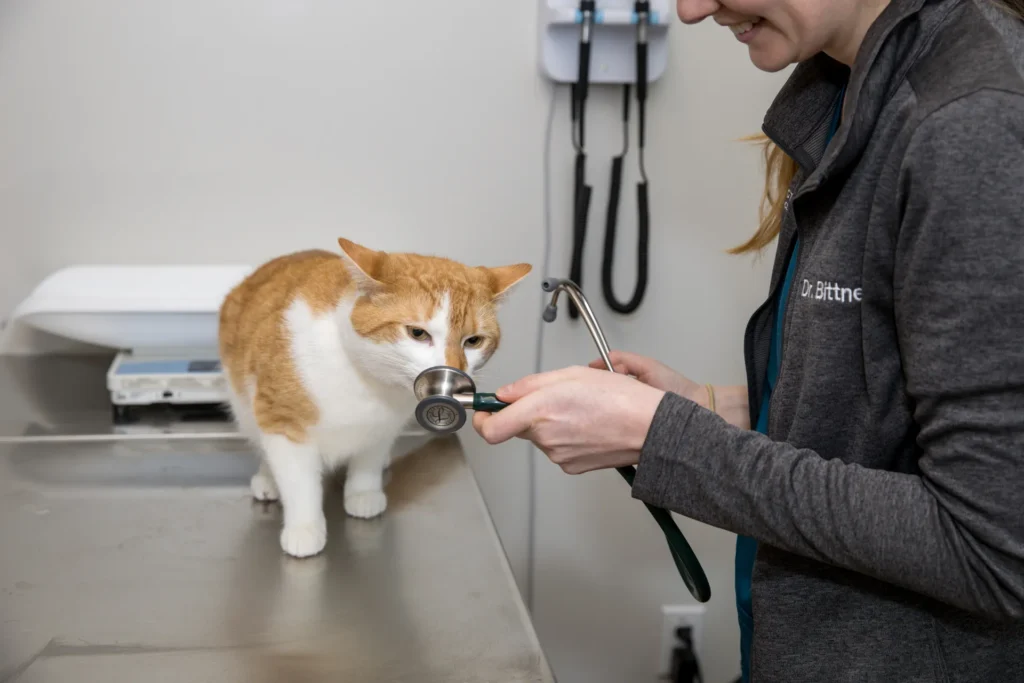
A kitten’s visit is about more than just vaccines. It is a full health check.
During the visit, your veterinarian may:
- Perform a physical exam
- Check weight and growth
- Screen for parasites
- Discuss nutrition
- Review behavior
- Plan future vaccines
These visits help ensure your kitten is developing properly.
Preventive Care Beyond Vaccines
Vaccines are just one part of keeping your kitten healthy.
Your veterinarian may also discuss:
- Flea and tick prevention
- Deworming
- Microchipping
- Spay or neuter timing
- Dental care habits
Starting early helps prevent problems later.
Why Routine Vet Visits Matter For Kittens
Kittens grow quickly, and their needs change fast.
Regular visits allow your veterinarian to:
- Monitor growth
- Adjust diet recommendations
- Keep vaccines on schedule
- Catch health problems early
Routine care builds a strong foundation for lifelong health.
FAQ About Kitten Vaccines
Do Indoor Kittens Need Vaccines
Yes, indoor cats can still be exposed to diseases through people, objects, or other animals.
How Many Vaccine Visits Do Kittens Need
Most kittens need three to four visits between 6 and 16 weeks.
Are Kitten Vaccines Safe
Vaccines are safe and well tolerated. Mild tiredness may happen for a short time.
When Do Kittens Get Rabies Vaccine
Usually between 12 and 16 weeks, depending on local laws.
When To Take Your Kitten To The Vet
If you have a new kitten, scheduling an early vet visit is one of the best things you can do.
Vaccines help protect against serious diseases and support healthy development. The team at Arlington Animal Clinic can create a plan that fits your kitten’s needs.