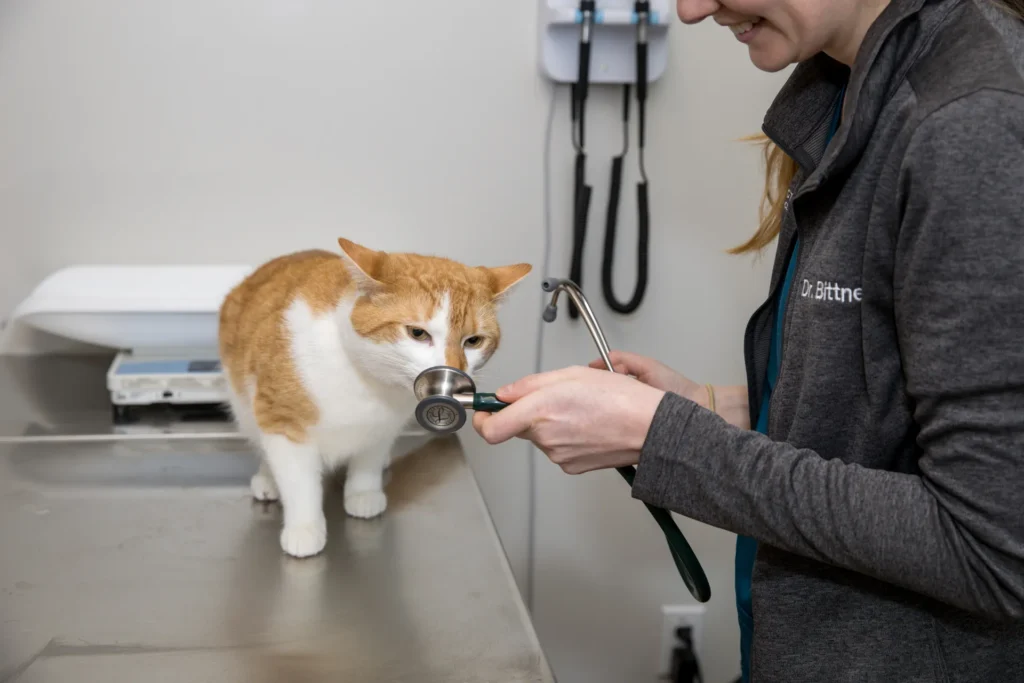
Vaccines are one of the best ways to protect your pet from serious diseases. Whether you have a new puppy, a kitten, or an adult pet, staying up to date on vaccines helps prevent illness and supports long term health.
For pet owners in Arlington, MA and nearby areas like Belmont, Lexington, and Cambridge, it can be confusing to know which vaccines are necessary and how often they are needed. Not every pet needs the same plan.
At Arlington Animal Clinic, we create personalized vaccine plans based on your pet’s age, lifestyle, and risk level.
Why Vaccines Are Important For Pets
Vaccines help your pet’s immune system recognize and fight off dangerous diseases before they can cause serious harm.
Without vaccines, pets are at risk for infections that can spread quickly and may be life threatening.
Common diseases prevented by vaccines include:
- Rabies
- Distemper
- Parvovirus
- Feline leukemia
- Feline panleukopenia
Many of these diseases are difficult or impossible to treat once symptoms appear.
Core Vaccines Vs Lifestyle Vaccines
Vaccines are usually grouped into two categories.
Core Vaccines
Core vaccines are recommended for almost all pets because they protect against widespread and serious diseases.
For dogs, core vaccines include:
- Rabies
- Distemper
- Parvovirus
- Adenovirus
For cats, core vaccines include:
- Rabies
- FVRCP which protects against respiratory viruses and panleukopenia
These vaccines are considered essential.
Lifestyle Vaccines
Lifestyle vaccines depend on your pet’s daily routine and exposure risk.
For dogs, these may include:
- Bordetella
- Lyme disease
- Leptospirosis
- Canine influenza
For cats, this may include:
- Feline leukemia
Your veterinarian will recommend these based on where your pet goes and what they are exposed to.
Vaccine Schedule For Puppies And Kittens
Young pets need a series of vaccines because their early immunity fades over time.
For puppies, a typical schedule includes:
- Starting at 6 to 8 weeks
- Boosters every few weeks
- Final vaccines around 16 weeks
- Rabies vaccine required by law
For kittens, the schedule is similar:
- Starting around 6 to 8 weeks
- Booster vaccines until about 16 weeks
- Rabies vaccine
These early vaccines are critical for protection.
Do Adult Pets Still Need Vaccines
Yes, adult pets need booster vaccines to maintain protection.
Some vaccines are given yearly, while others last longer depending on the type.
During routine visits, your veterinarian will review your pet’s history and update vaccines as needed.
Local Risks That Affect Vaccine Recommendations
In Massachusetts, certain diseases are more common, which affects vaccine recommendations.
These include:
- Lyme disease from ticks
- Leptospirosis from wildlife and water exposure
- Rabies from wildlife
Pets that spend time outdoors or go on walks are at higher risk.
What Happens During A Vaccine Appointment
A vaccine visit is also a full health check.
During the appointment, your veterinarian may:
- Perform a physical exam
- Review medical history
- Give recommended vaccines
- Discuss parasite prevention
- Provide nutrition guidance
These visits are part of regular wellness care.
Are Vaccines Safe For Pets
Vaccines are tested for safety and are well tolerated by most pets.
Some pets may have mild effects such as:
- Slight tiredness
- Mild soreness
- Temporary decrease in activity
Serious reactions are rare.
Preventive Care Beyond Vaccines
Vaccines are only one part of keeping your pet healthy.
Preventive care also includes:
- Routine wellness exams
- Parasite prevention
- Proper nutrition
- Dental care
Combining these helps pets live longer and healthier lives.
FAQ About Pet Vaccines
Do Indoor Pets Need Vaccines
Yes, indoor pets can still be exposed to diseases through people, other animals, or the environment.
How Often Do Pets Need Vaccines
It depends on the vaccine and your pet’s risk level. Your veterinarian will create a schedule.
Can Pets Get Vaccines If They Are Sick
Vaccines may be delayed if a pet is not feeling well. A vet exam helps determine the best timing.
Do Exotic Pets Need Vaccines
Most exotic pets do not need routine vaccines in the United States, but they still need regular checkups.
When To Take Your Pet To The Vet For Vaccines
If your pet is due for vaccines or you have a new puppy or kitten, it is time to schedule a visit.
Vaccines help prevent serious diseases and support long term health. The team at Arlington Animal Clinic can create a plan that fits your pet’s needs.